
Kitchen storage planning starts with the things your cabinets need to hold. Before you choose drawer fronts or pantry doors, make room on the plan for the pots, small appliances, groceries, and dishes you use.
In a custom home, we can look at those needs while the cabinet layout is still open to change. That gives each item a place before the boxes arrive on moving day.
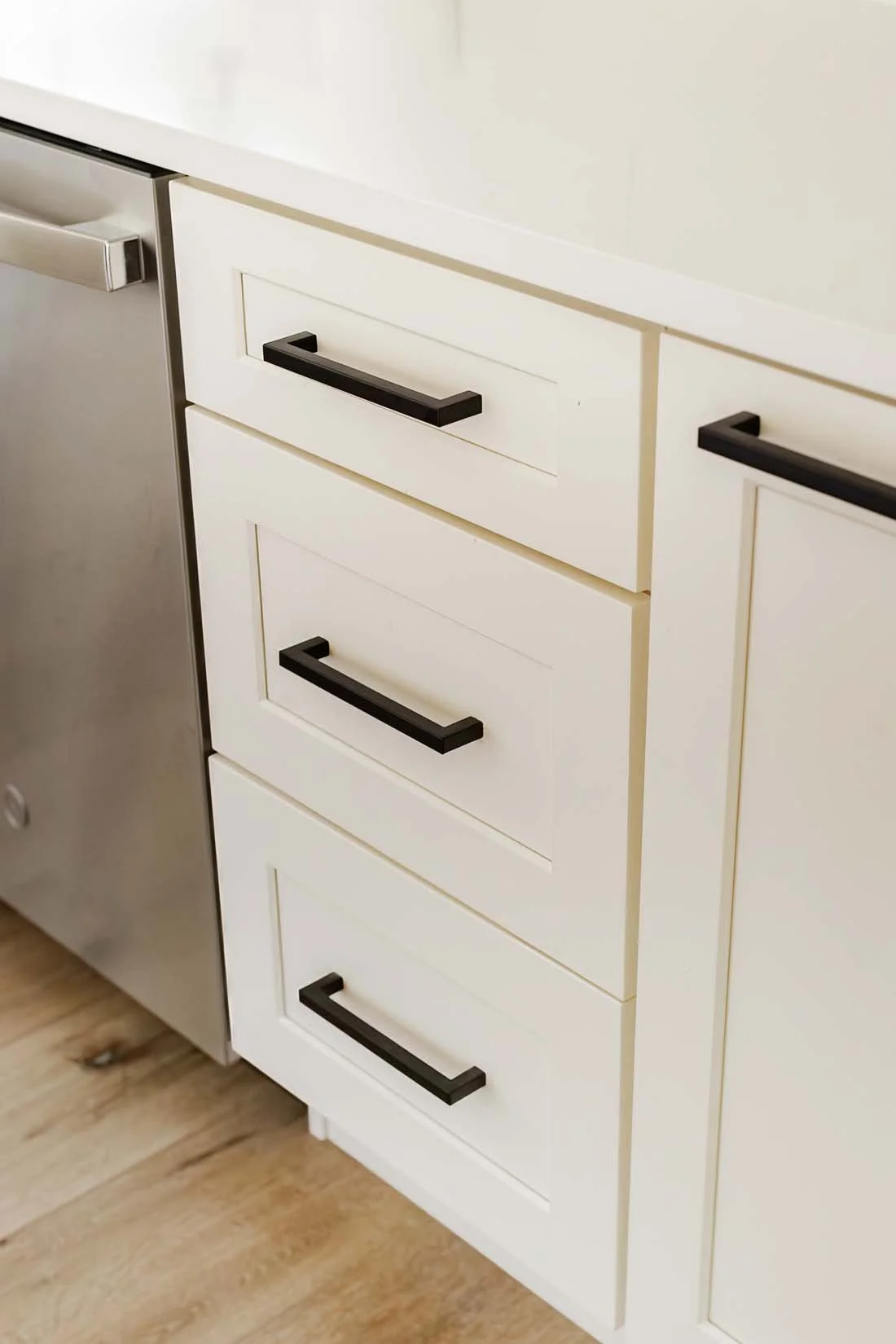
Make a kitchen storage list from an ordinary week
Start with the things you reach for most. Put your everyday dishes, drinking glasses, food containers, cooking tools, and pans on a list. Then add the pieces you use less often, such as a roasting pan or a large serving tray.
Walk through a regular day. The coffee maker needs filters or pods nearby. Lunch containers need their lids. The pan you use for dinner needs a drawer or shelf you can reach while cooking. A list built around those small tasks is more useful than a total cabinet count.
The National Kitchen & Bath Association's kitchen storage inventory worksheet groups the items a kitchen needs to hold. You can use it to check the things that are easy to leave out, then mark which ones belong in your kitchen.
Measure the pieces that set the storage size
A stand mixer, tall blender, stockpot, or wide serving platter can shape the inside of a cabinet. Measure the actual item, including handles and anything that stays attached. Keep those measurements with the model information when an appliance has one.
The opening matters as well as the space inside. A tray can fit on a shelf and still be hard to get through the door. Drawer boxes and hardware also take up part of the cabinet's outer width.
For an appliance stored behind a door, tell the designer how you expect to use it. Storing a toaster is different from running it inside an enclosed space. Follow the appliance maker's instructions for use, clearance, ventilation, and electrical needs. A cabinet detail cannot replace those instructions.
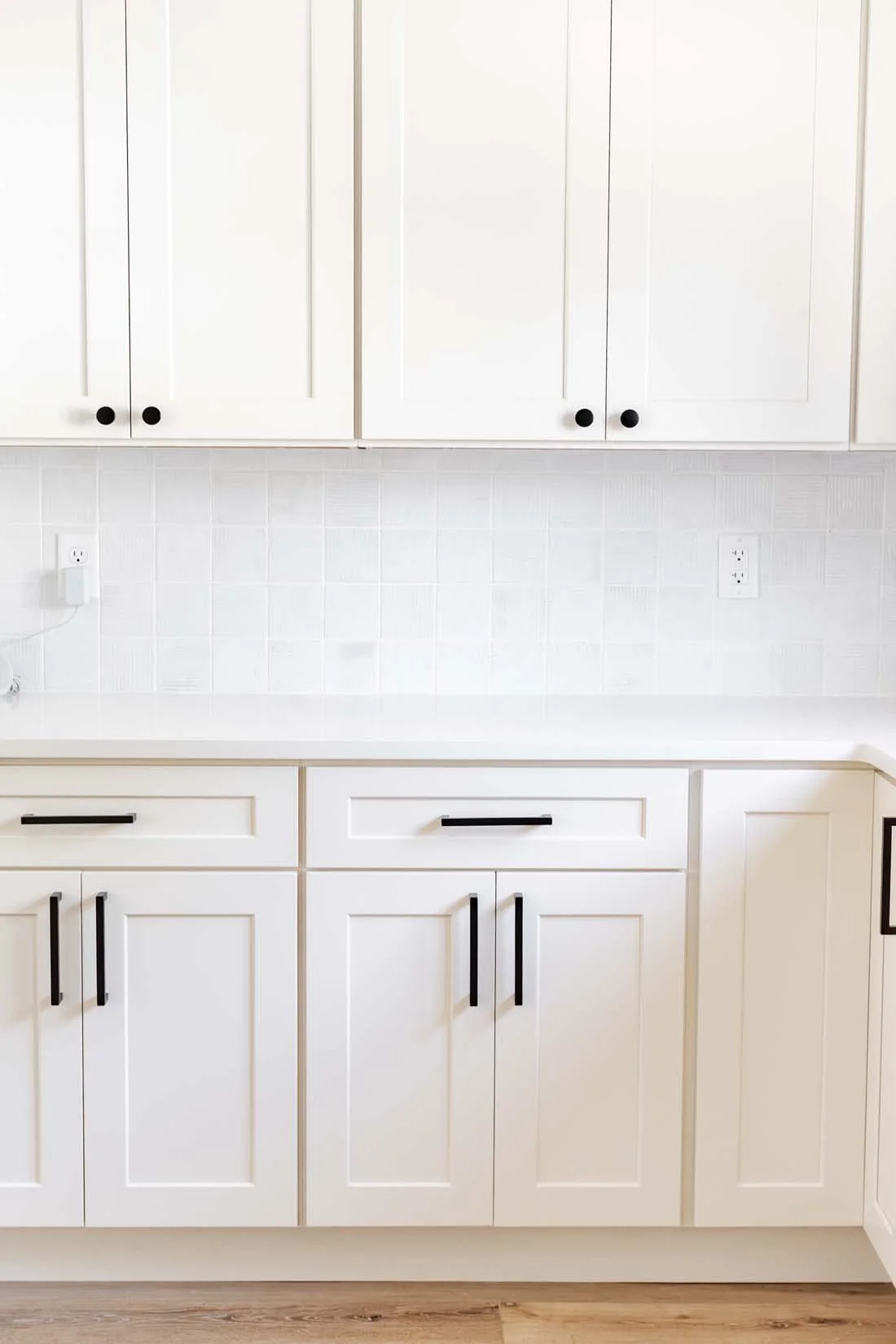
Put daily storage beside the work it supports
Think about the route from unloading to putting things away. Everyday plates near the dishwasher can shorten that task. Cooking tools near the prep space can stay within reach while ingredients are on the counter.
A baking drawer might hold measuring cups, a scale, and mixing tools. A separate shelf can hold the large mixer bowl. The goal is to give related pieces a clear home, with room to take one out while the others stay put.
We also look at doors and drawers as moving parts. An open dishwasher door, a pulled-out trash bin, and a wide drawer can compete for the same floor space. KitchenAid’s guide to kitchen work zones also considers the tasks sharing the room. The final layout still needs to fit the actual home and its users.
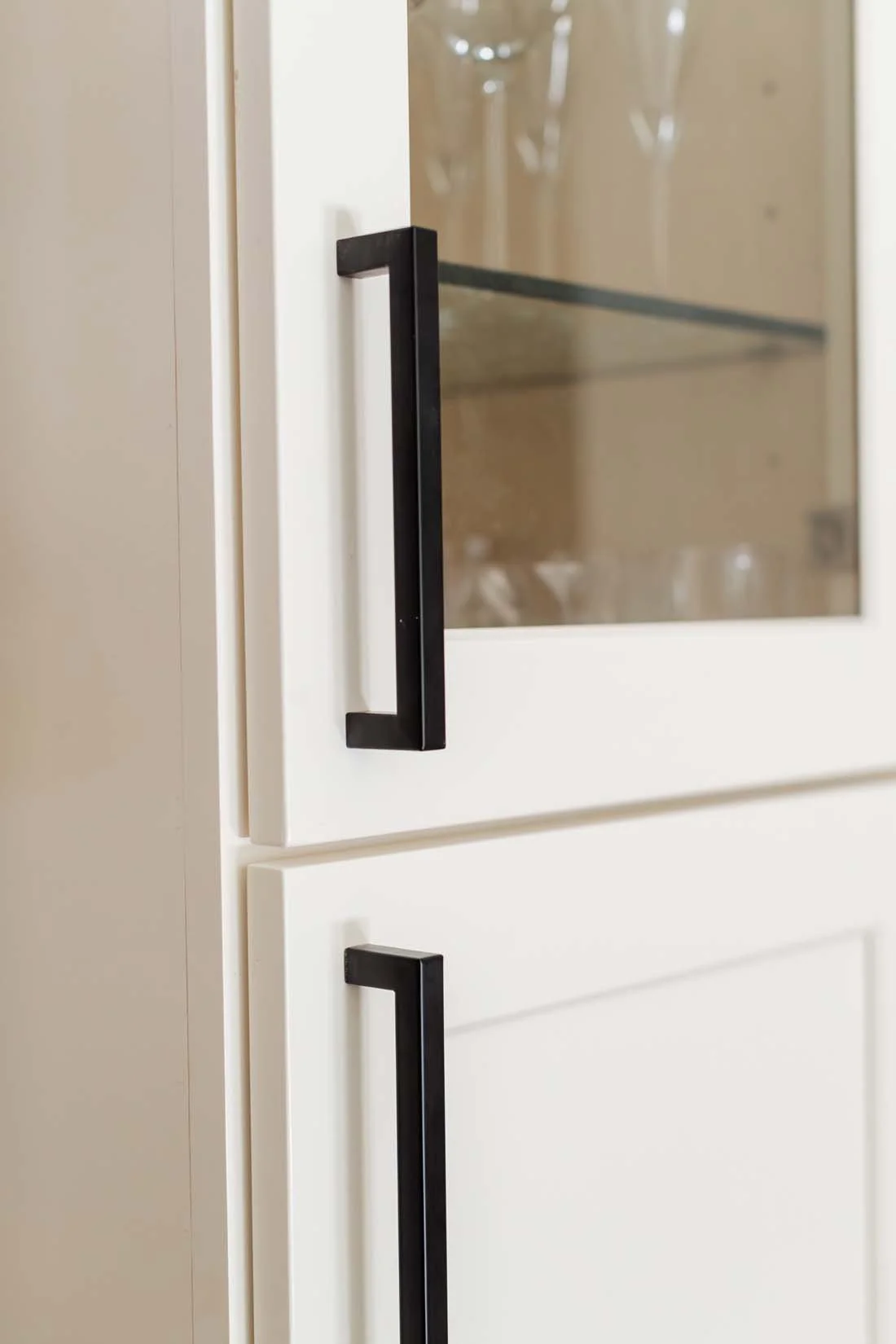
Size the pantry for how you shop
A pantry for weekly groceries has different needs from one that holds bulk packages. List the food you keep on hand before choosing the shelves. Include opened bags, breakfast supplies, back stock, and the small items that tend to disappear behind larger ones.
Use the real packaging when you compare shelf heights. A cereal box, a flour container, and a stack of cans take up different spaces. Leave room to see and lift each item, rather than filling every shelf to its top edge.
Cleaning supplies need their own suitable storage, especially in a home with children or pets. Plan that location separately from food and follow each product's label. It belongs in the storage conversation before every cabinet has another job.
Read the cabinet plan with your list beside it
Before the cabinet order is final, go through the plan one cabinet at a time. Name what each drawer, shelf, and tall unit will hold. Mark the item on your list when it has a workable home.
Look for anything still waiting for a place. That might be the pet food container, reusable bottles, lunch bags, or the serving dishes you use in December. A small adjustment on paper can be easier to consider than a cabinet change after installation.
Our broader guide to designing a custom kitchen for how you live covers the room as a whole. This storage list is one piece you can bring to those early decisions, with your own measurements and the things you want within reach.
