
How We Handle Your Budget From the First Conversation
Custom home budget planning works best when the hardest conversation happens first, not last. A real budget isn't a single number you arrive at and forget: it's a framework built at the start and protected through every decision that follows. Most surprises in a custom build don't come from the market or the materials. They come from numbers that were kept vague to keep an early conversation comfortable. We take the opposite approach. We put the honest figure on the table before there's a plan to fall in love with, because a budget you can trust is what keeps the rest of the build calm. That early clarity is part of why the planning phase carries so much weight.
We Talk About Money Directly
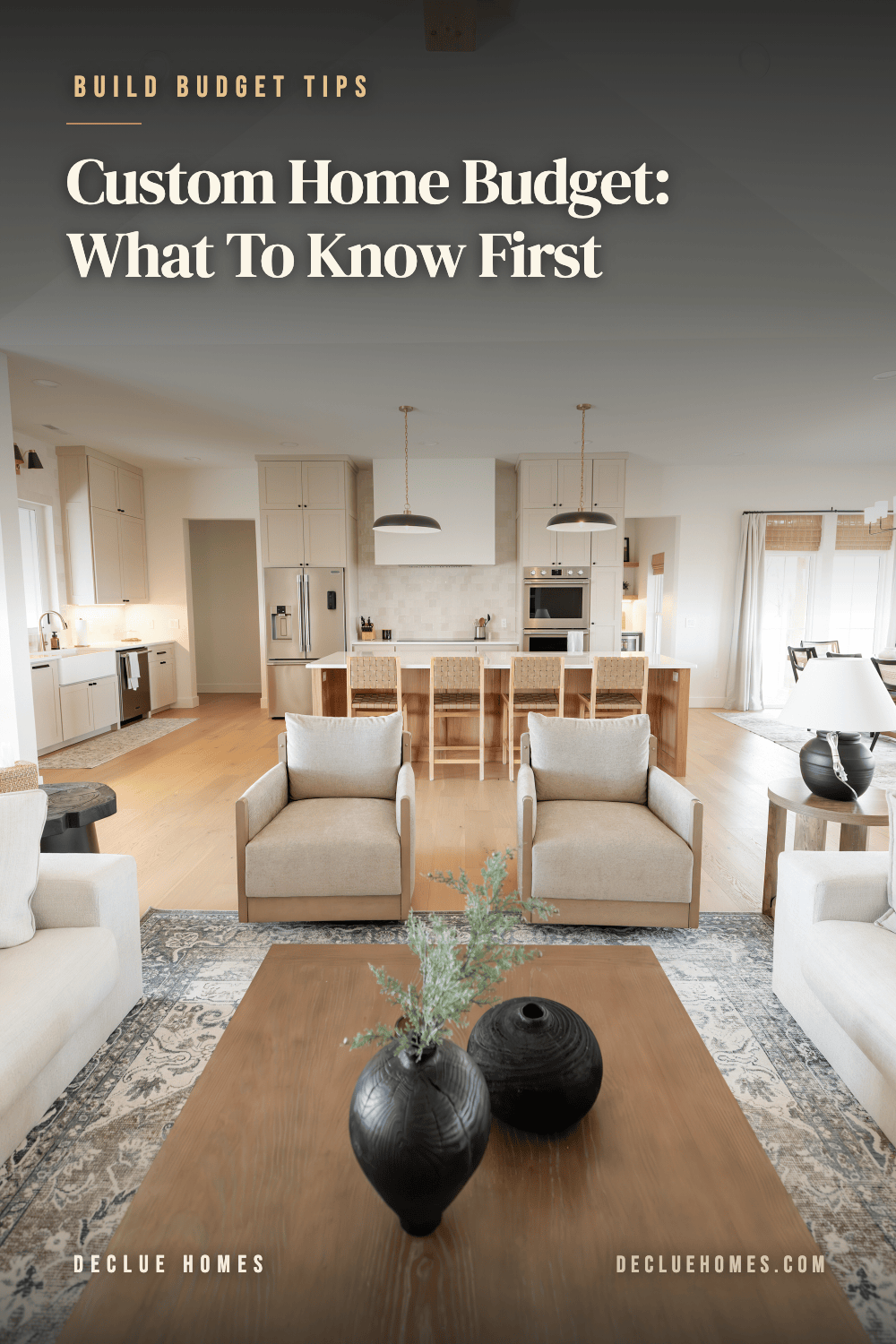
We talk about money directly. Before there's a floor plan, before there's a rendering to admire, we get clear on what you want to spend and what that range can realistically build in the 417. That means naming the whole picture early: the home, the site work, the finishes, and the room a build needs for the choices you haven't made yet. An honest number you can plan around is worth more than a soft one that drifts upward once you're committed.
This is the same straight-answer standard you should expect from anyone you hire, and it's worth testing before you sign: the questions you ask a builder reveal how they handle the uncomfortable parts. A builder who won't talk plainly about money early will talk about it later, when it's harder to change. We'd rather have the real conversation up front, where it can still shape the design instead of derailing it.
How Allowances Actually Work
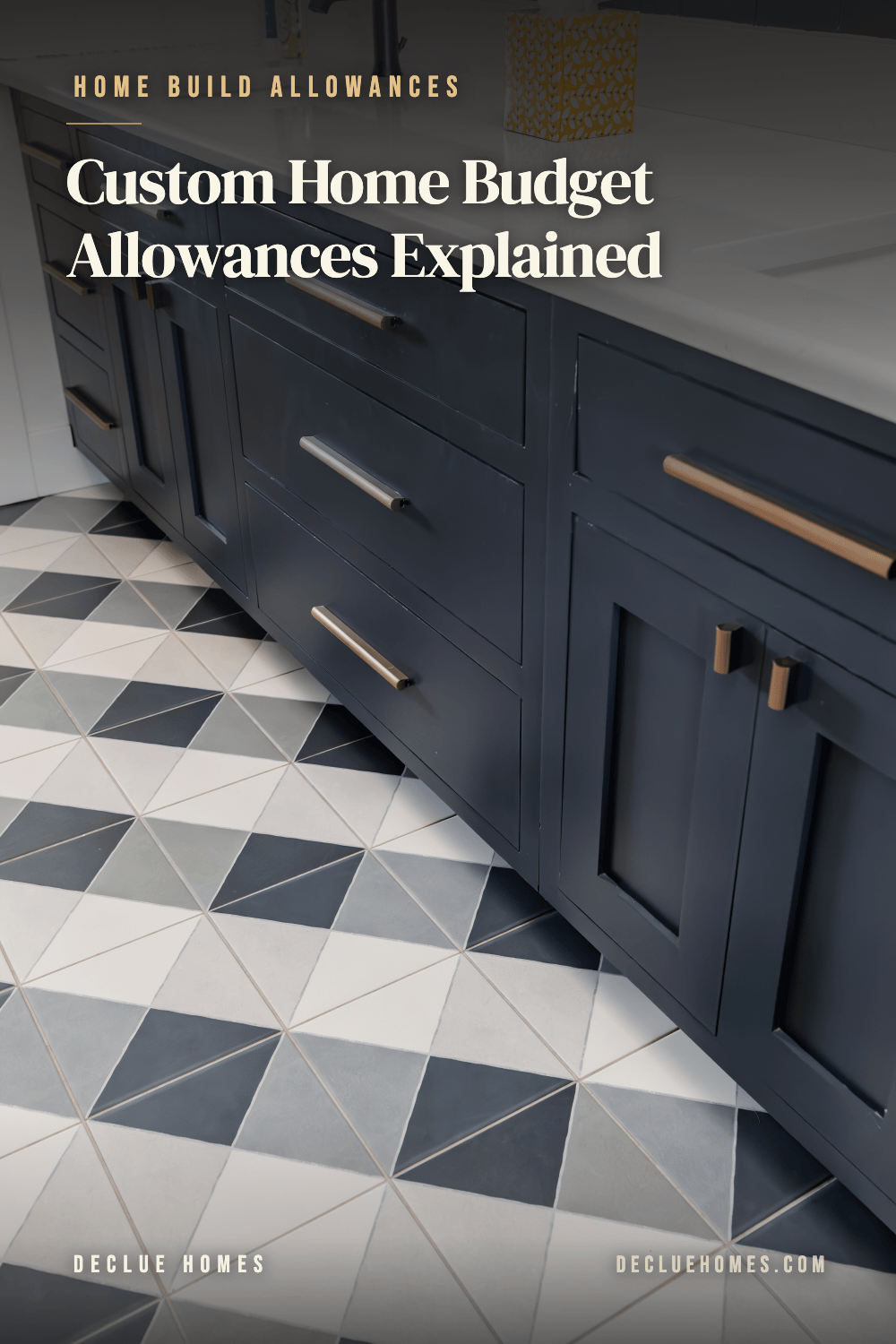
A custom home budget is built partly from firm costs and partly from allowances: set amounts assigned to categories you haven't finalized yet, like flooring, lighting, plumbing fixtures, and countertops. An allowance is a placeholder with a real number behind it, so the budget stays whole while you take the time selections deserve. This Old House keeps a plain-English look at how allowances function, because they're one of the most misunderstood parts of a build.
The honest part is this: an allowance is only as accurate as the expectation behind it. If the number reflects the level of finish you actually want, the budget holds. If it's set low to make an early estimate look lean, the gap shows up later at the selection table. We set allowances to match the home you've described, not to flatter the bottom line: so the figure you see early is the figure you can plan your life around.
Your Selections Drive the Budget
The budget doesn't move on its own. It moves when selections do. Every finish you choose (the tile, the cabinets, the fixtures, the trim) either lands inside its allowance or shifts the number. That isn't a flaw in the process; it is the process working. It's also where a build becomes truly yours, which is why we treat choosing your finishes as a budget conversation as much as a design one.
We show you where the money goes before you spend it. The National Association of Home Builders breaks a new home into the major cost categories that shape any build (the shell, the interior, the systems, the site) and understanding that map helps you spend where it matters to you and hold back where it doesn't. When a choice pushes past its allowance, you hear it in the moment, with the tradeoff in front of you, not in a statement weeks later.
Protecting the Number You Started With
Change is part of every custom build. A budget survives it when change is handled in the open. When something shifts (a selection, a site condition, a mid-build idea) we price it, show you the effect, and get your sign-off before the work happens. Nothing moves the number quietly. Financing sits under all of it, and HUD's homeownership basics are a steady primer on how a build gets funded and why a stable budget matters to a lender as much as to you.
That's what budget transparency really means: not a promise that nothing will ever change, but a promise that you'll always know where you stand. We build the number honestly, we explain every part of it, and we protect it from the first conversation to the final walkthrough.
